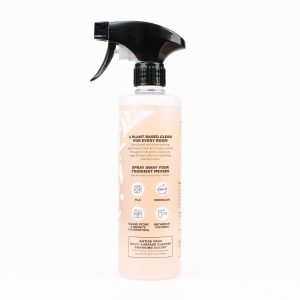
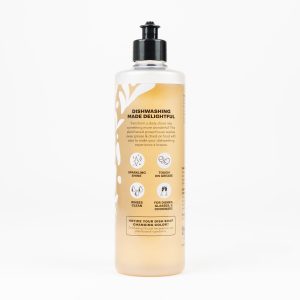
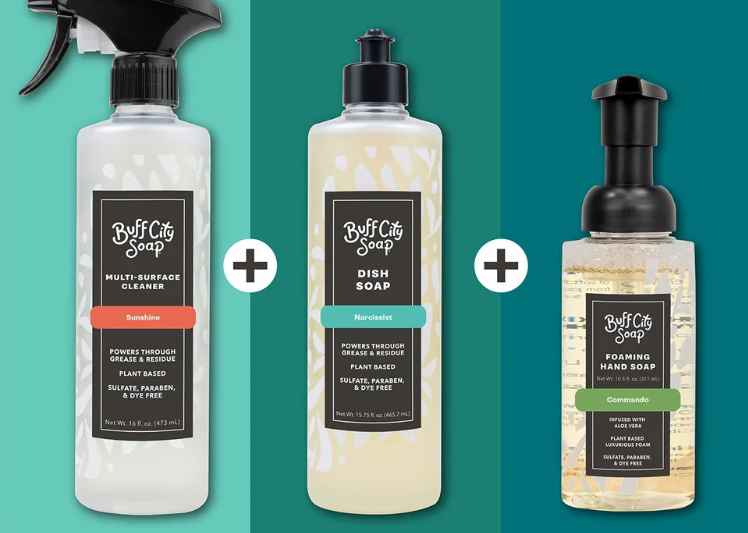
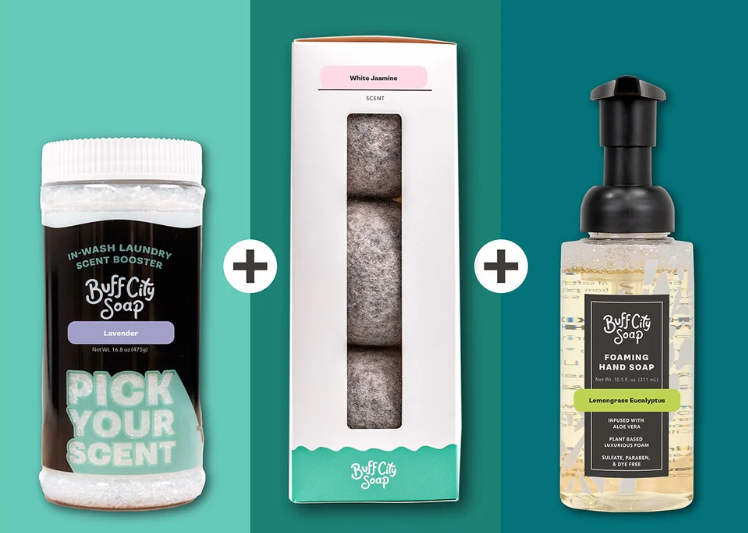
$1O BUILD YOUR BUNDLE
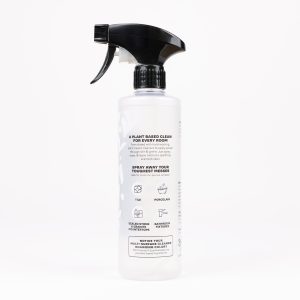
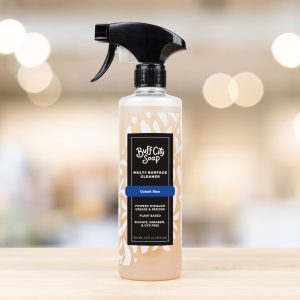
Choose your favorite Dish Soap,Multi-Surface Cleaner,& Foaming
Hand Soap!

Cleaning—it is a routine activity, a pursuit of tidiness and hygiene that underpins healthy living. Yet, beneath the surface of this daily ritual lies a sophisticated interplay of chemistry and formulation, embodied by the very agents we rely upon: cleaning products. To truly appreciate the power of these essential household items, one must delve into the fundamental science that makes them work and, crucially, understand their profound impact on our internal and external environments.
The foundation of nearly all cleaning efficacy rests upon a class of molecules known as surfactants, short for surface-active agents. These molecules are nature’s tiny diplomats; they possess a dual personality, featuring a hydrophilic (water-loving) head and a hydrophobic (water-repelling, oil-loving) tail. This unique structure is the key to breaking down the persistent barrier between water and the greasy, oily dirt that resists mere rinsing. When a cleaning agent is mixed with water, the surfactant molecules congregate around oil and dirt particles, with their hydrophobic tails burrowing into the grime while their hydrophilic heads face outwards toward the water. This action effectively lifts the soil from the surface and suspends it in the water in minuscule droplets, an action called emulsification, allowing it to be easily washed away. The presence of suds, often mistaken as the sign of cleaning power, is merely a by-product of this surface-tension-lowering process, a visible sign that the surfactants are actively engaged.
Beyond the basic action of surfactants, the pH level is another crucial determinant of a cleaning agent’s power. Cleaning agents are broadly categorized based on their acidity or alkalinity. Highly alkaline, or basic, cleaners (high pH) are excellent degreasers. They achieve this by converting fatty soils into a type of soap through a process called saponification, making them easier to dissolve in water. Conversely, highly acidic cleaners (low pH) excel at dissolving mineral deposits, rust, and hard water stains—the nemesis of bathroom fixtures and kitchen sinks. For general, everyday cleaning, many products are formulated to be pH-neutral, striking a balance that allows for moderate cleaning while being gentler on a variety of surfaces and skin.
In the pursuit of specialized cleaning, other chemical compounds come into play. Chelating agents, for instance, are included to neutralize the mineral ions found in hard water. Without them, these ions would react with the surfactants, reducing their effectiveness and leaving behind unsightly soap scum. For tackling biological messes, modern cleaning science often incorporates enzymes. These are biological catalysts, designed to break down specific organic compounds like proteins (blood, grass), starches (food spills), and fats (grease). Enzyme-based cleaners are remarkably effective and are often preferred for laundry and specialized stain removal due to their targeted, non-toxic action. Furthermore, in the fight against pathogens, disinfectants employ compounds like quaternary ammonium compounds or peroxides to chemically denature the cell structures of bacteria, viruses, and fungi, ensuring a truly hygienic environment.
The conversation around cleaning agents has evolved significantly, shifting from pure efficacy to a critical evaluation of environmental and health impacts. Volatile Organic Compounds (VOCs), frequently found in solvents and fragrances, are a major point of concern. These chemicals can be released into the air during use and can contribute to indoor air pollution, potentially leading to respiratory irritation, headaches, and other health issues upon prolonged exposure. Similarly, certain traditional ingredients, such as phosphates and powerful chlorine-releasing compounds, have been recognized for their adverse environmental effects, particularly on aquatic ecosystems.
This heightened awareness has spurred a significant movement towards green chemistry and sustainable cleaning. The principles of sustainable cleaning agents involve prioritizing plant-derived and mineral-based ingredients that are readily biodegradable. This means they break down quickly and harmlessly after use, minimizing their footprint on waterways and soil. Packaging innovation is also a key component, with a focus on concentrated formulas, refill systems, and the elimination of single-use plastics to dramatically reduce waste and the carbon cost of transportation. Choosing these alternatives is no longer a trade-off; advancements in green chemistry have delivered formulations that are both powerful and responsible, utilizing the inherent cleaning power of natural acids, essential oils, and advanced, eco-certified surfactants.
Ultimately, cleaning agents are a critical component of public health and personal well-being. A truly clean space is one where efficacy meets responsibility. By understanding the underlying science—from the micellar action of a surfactant to the targeted work of an enzyme—consumers are better equipped to make informed choices. The ongoing evolution of the cleaning industry suggests a future where powerful cleaning can coexist harmoniously with ecological stewardship, leading to healthier homes and a more sustainable planet for all.
NEW& POPULAR
New Products
New Products
New Products
New Products
New Products
New Products
New Products
New Products
New Products
New Products
New Products
New Products
SHOP BY CATEGORY